
Bowers & Wilkins 805 D5

Price range: £10,000.00 through £11,600.00

While it’s best suited for smaller listening spaces, its large-scale performance greatly exceeds its modest stature. Available from Sept. 2026

Bowers & Wilkins 805 D5

Reference stand-mount loudspeaker
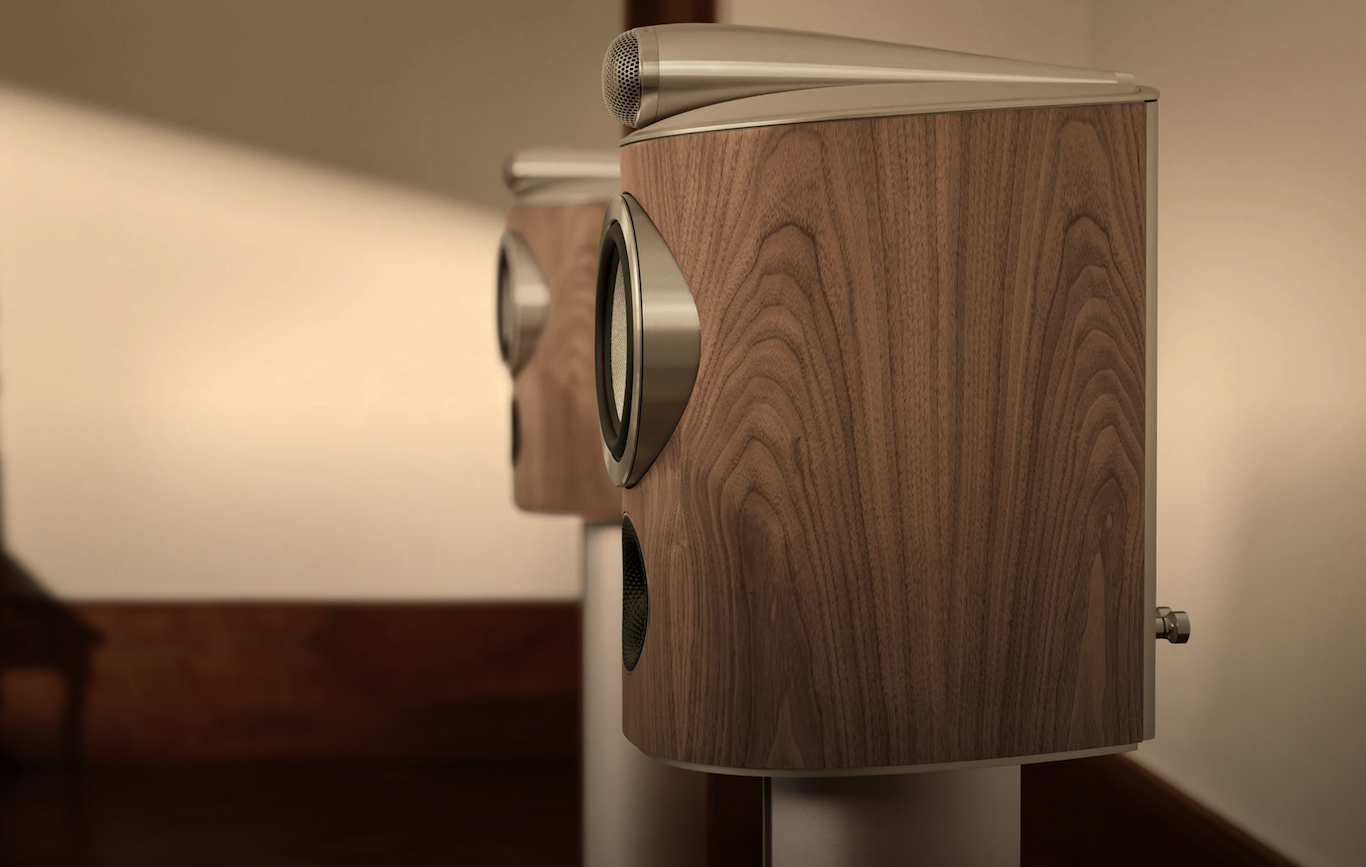
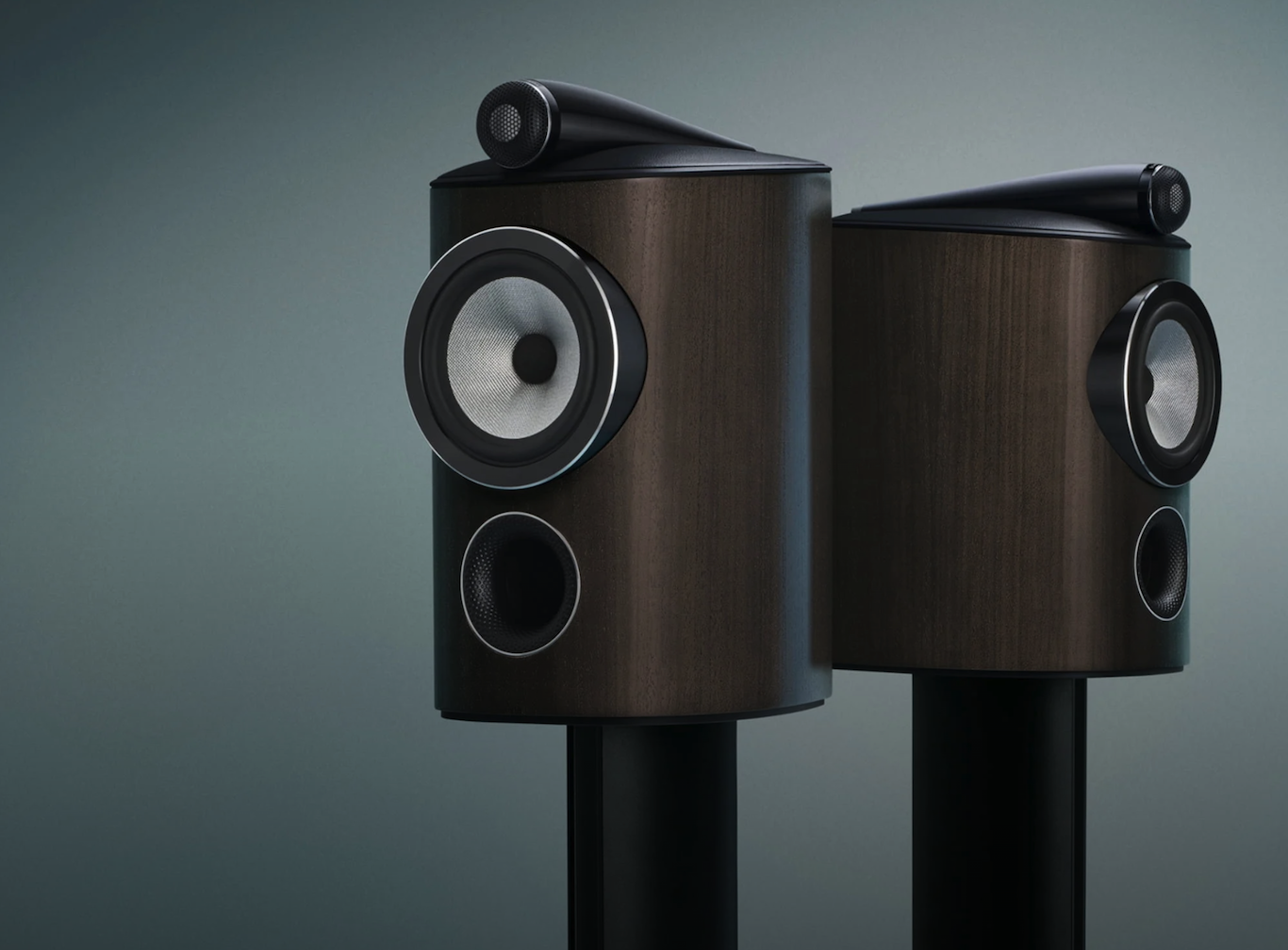
B&W 805 D5 Lifestyle

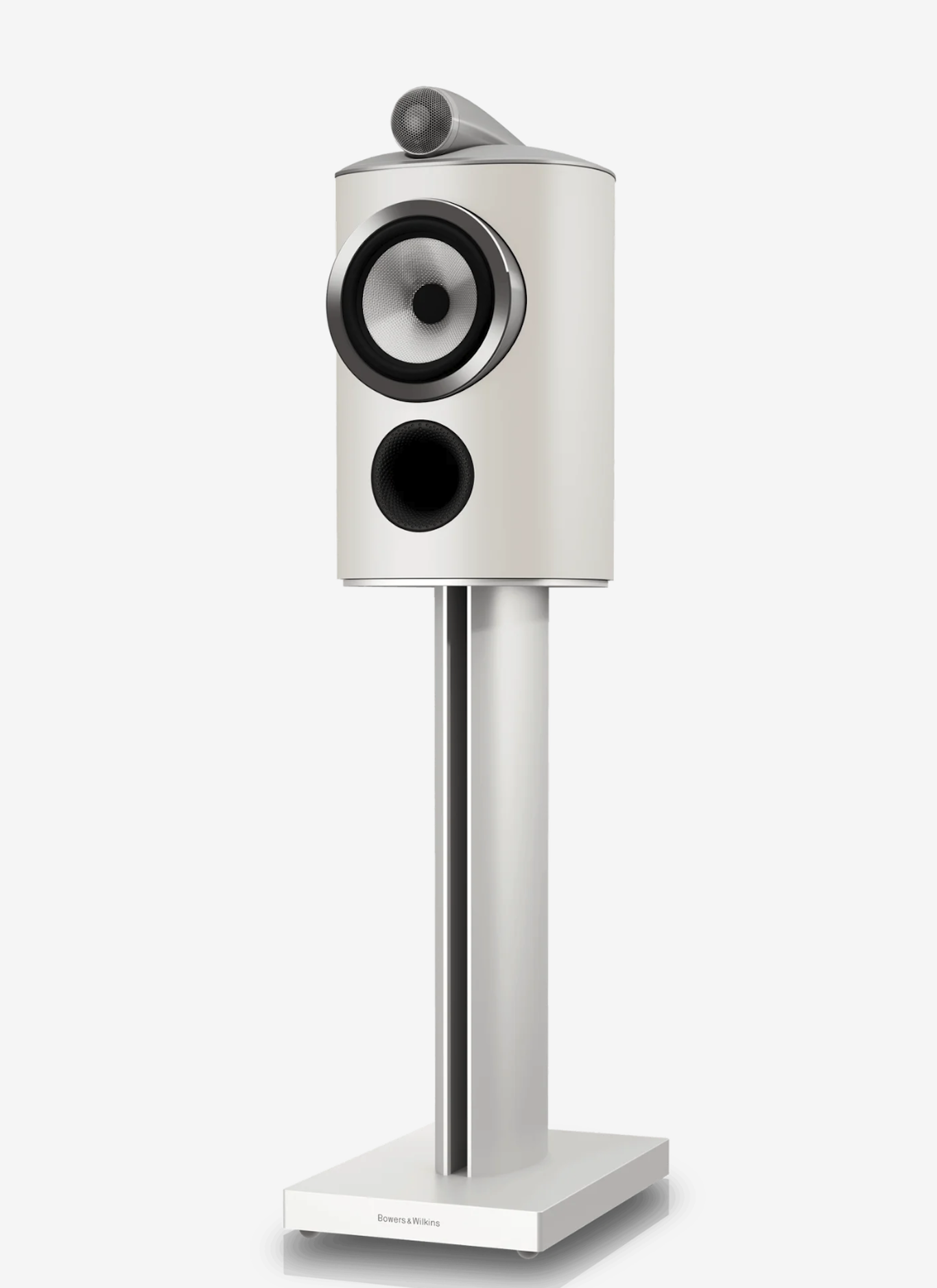
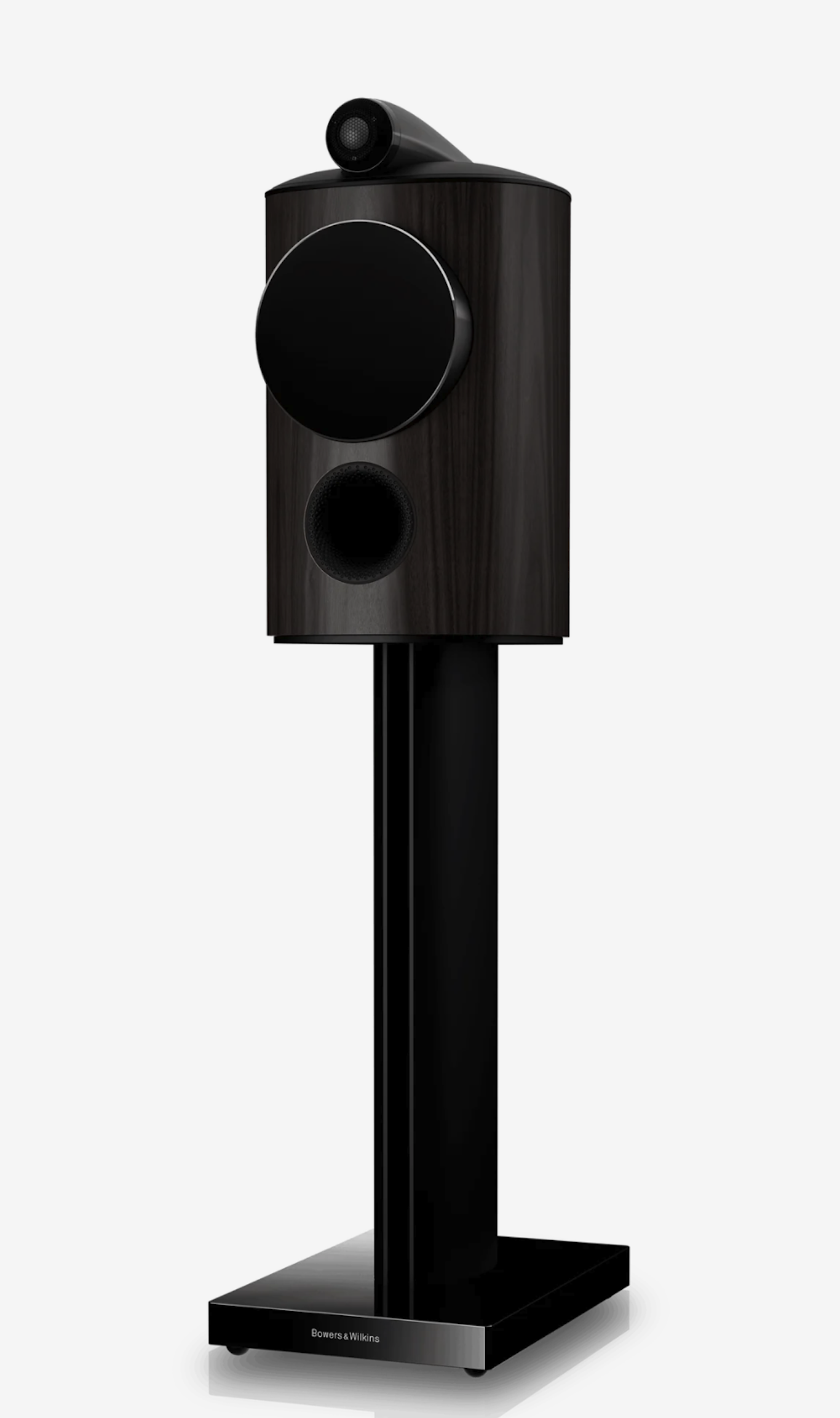
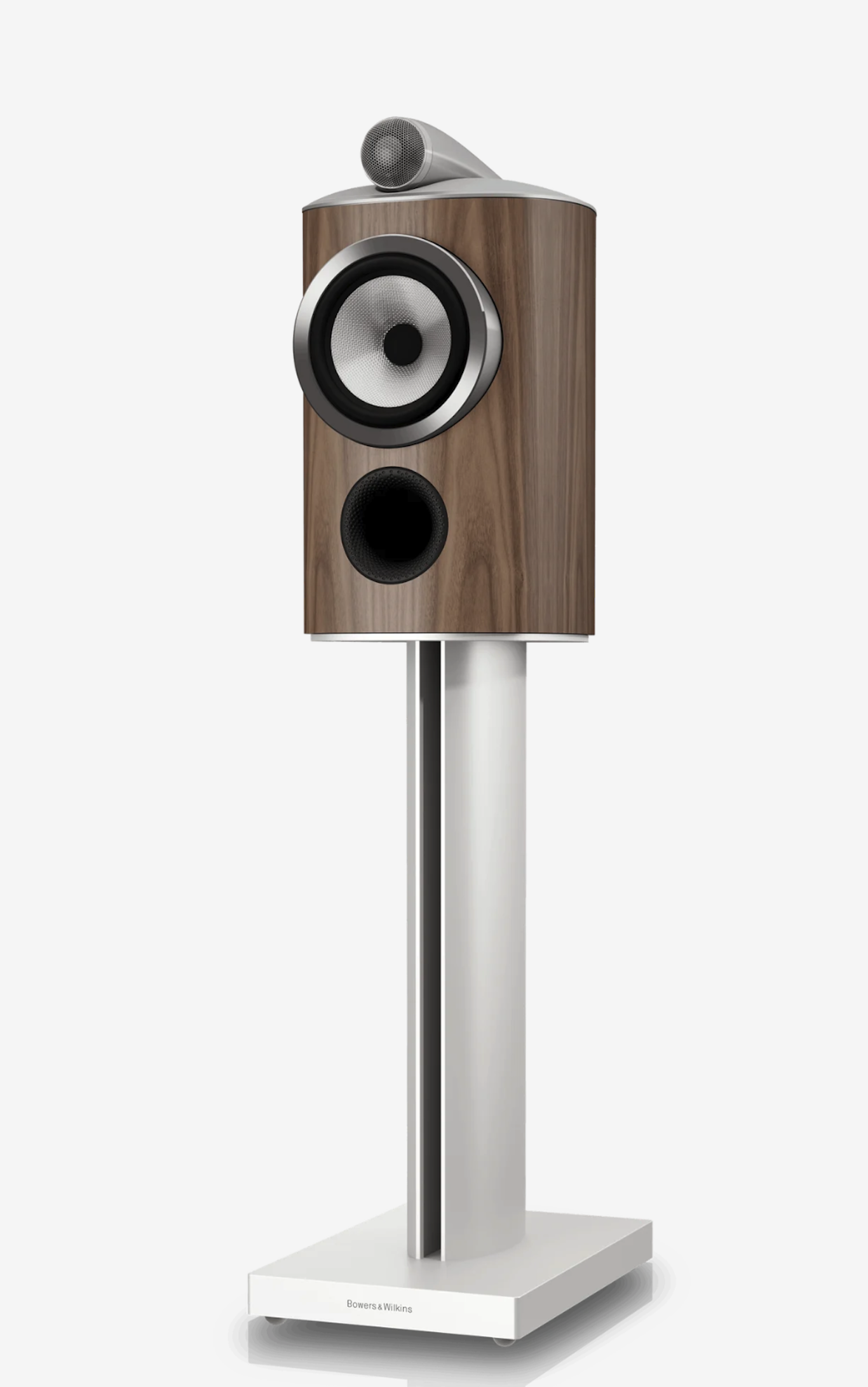
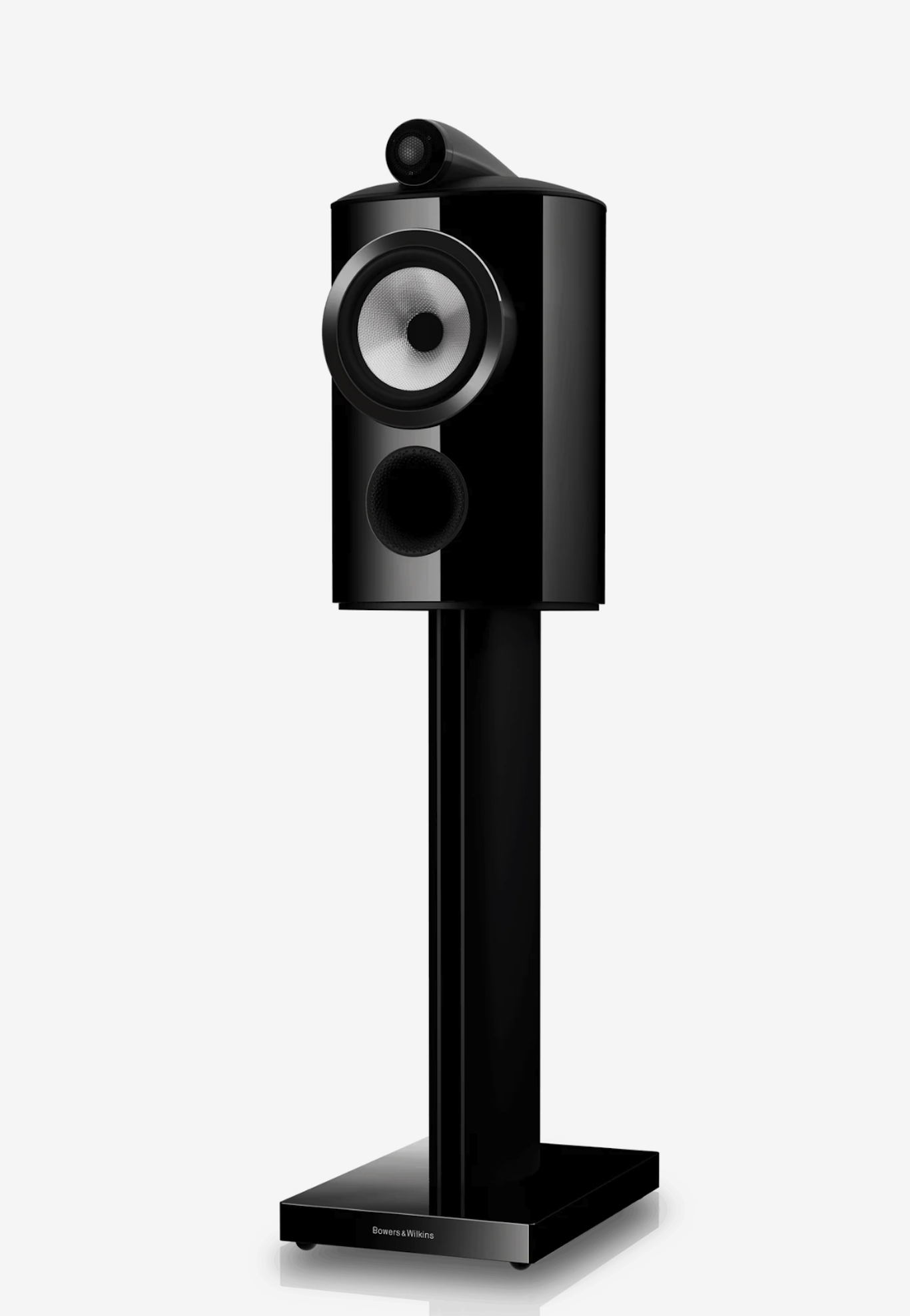
The 805 D5 stand-mount loudspeaker is the most compact model in the 800 Series Diamond range. While it’s best suited for smaller listening spaces, its large-scale performance greatly exceeds its modest stature.

Equipped with their Diamond dome tweeter, Solid Body Tweeter-on-Top and Continuum mid-bass cone housed in a reverse wrap cabinet, 805 D5 sounds and performs best when securely atop its bespoke speaker stands. Available in Stealth Black, Warm White, Light Walnut, and Dark Walnut, with matching Leather by Connolly trim, the 805 D5 is proof positive that small can still be beautiful.

Ultimate drive unit technology

Pairing their most advanced and innovative drive unit technology, the 805 D5 delivers Bowers & Wilkins purest sound ever. The Diamond dome tweeter pushes break-up frequency to 70kHz, delivering exceptional clarity, precision and openness, and the Continuum™ cone delivers voices and instruments with lifelike detail.

Optimised for pure performance

Every model in the new 800 Series Diamond range benefits from enhanced technology. An upgraded Matrix™ design reduces resonance and creates a more believable soundstage, while aluminium Space Frame Bracing and an all-new aluminium top section within the cabinet help deliver an even more spacious and immersive sound.

Crafted to be better by design

The 800 Series Diamond looks this way for a reason. Its shape is dictated by the science of sound. The cabinets are formed from a single continuous curve, locked in place by a solid aluminium spine, so cabinet reflections are reduced. Complemented by the Tweeter-on-Top and Turbine Head, musical performance is always as precise as possible.
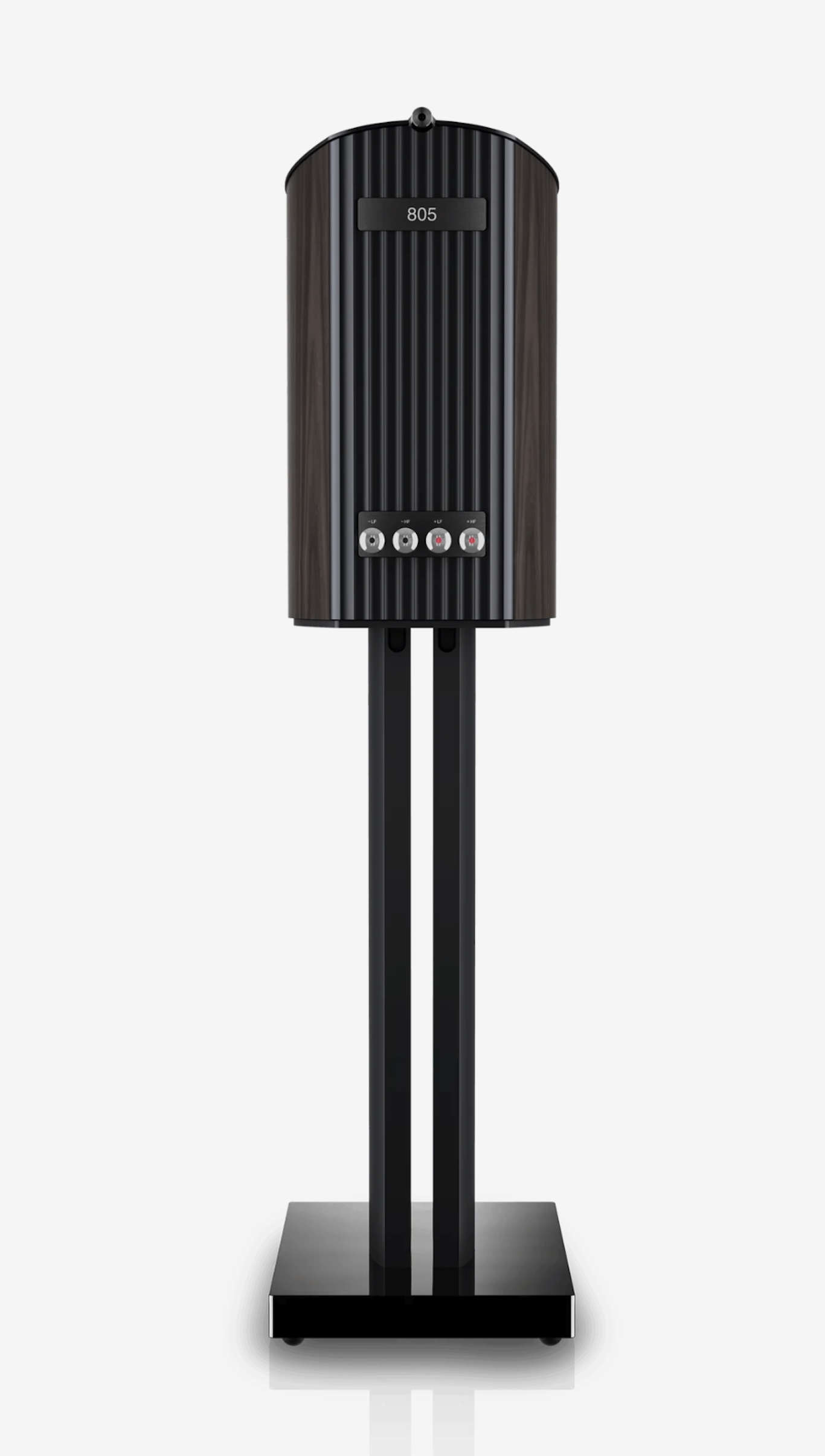
805 D5 rear

Bowers & Wilkins 805 D5 Technical Specifications

Dimensions
Height: 439mm (17.3 in) including tweeter
Width: 241mm (9.5 in) cabinet only, 447
Depth: 322mm (12.7in) cabinet only, 363mm (14.3in) including grille and terminals
Net weight
16.4kg (36.0lbs)

Technical features

  • Diamond dome tweeter
  • Solid body Tweeter-on-Top
  • Continuum™ cone FST midrange
  • Anti-Resonance plug
  • Matrix™
  • Flowport™

Description – 3-way vented-box system
Drive units

  • 1x ø25mm (1in) Diamond dome high-frequency
  • 1x ø165mm (6.5in) Continuum cone bass/midrange
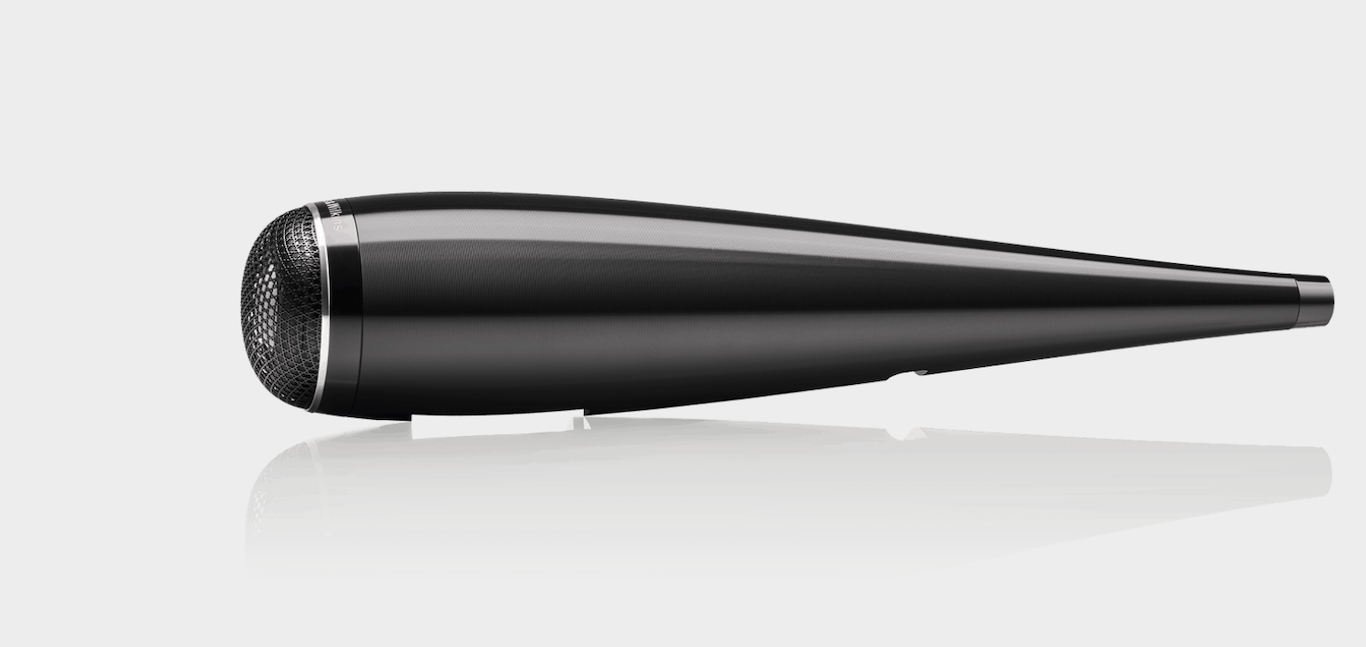
800 series Diamond Tweeter

Frequency range -6dB 34Hz to 35kHz
Frequency response – 42Hz to 28kHz (+/-3dB)
Sensitivity – 88dB
Harmonic distortion

  • 2nd and 3rd harmonics (90dB, 1m on axis)
  • <1% 90Hz – 20kHz
  • <0.3% 120Hz – 8kHz

Nominal impedance – 8Ω (minimum 4.6Ω)
Recommended amplifier power – 50W – 1000W into 8Ω on unclipped programme
Max recommended cable impedance – 0.1Ω

Cabinet finishes

  • Stealth Black
  • Warm White
  • Dark Walnut
  • Light Walnut

Grille finishes

  • Black (Stealth Black and Dark Walnut)
  • Grey (Warm White and Light Walnut)

Optional Accessories – FS-805 Black, Stand: Titanium

Additional information

Colour

Dark Walnut, Light Walnut, Stealth Black, Warm White

Options

with matching speaker stands, without speaker stands

Brand

Bowers & Wilkins

Bowers & Wilkins

1960s: Humble beginnings

The sleepy coastal town of Worthing in South England might not look like a hotbed of 1960s freewheeling experimentation, but for audio fans it’s a place that’s synonymous with innovation. Thanks to the first Bowers & Wilkins speakers built here in the early years of the company, music lovers could experience albums such as Sgt. Pepper and Pet Sounds in new, mind-expanding depth and clarity

1966: Beginings

John Bowers begins assembling speaker systems in the workshop of his electronics shop in Worthing, South East England Following an inheritance of £10,000 from a satisfied customer, John Bowers sets up his own loudspeaker company

1966: P1

The first Bowers & Wilkins loudspeaker. The profit from P1 allowed the company to invest in new calibration equipment

1968: Domestic Monitors

The DM1 and DM3 were launched to bring high quality audio to more customers, at an affordable price point

1970s: A decade of milestones

With the company established and growing fast, Bowers & Wilkins developed its reputation for innovative design backed up by world-leading R&D. They introduced new forms and design concepts including Tweeter-on-Top, new cone materials such as Aramid fibre, and it all culminated in the launch of the iconic 801, soon to become the reference speaker of choice for many of the world’s leading recording studios

1970: DM70

With its curved cabinet, the DM70 changed the shape of loudspeaker design

1980s: The application of science

Extensive investment in research led to the establishment of the company’s dedicated R&D facility in Steyning. The era of MTV pop superstardom and bombastic stadium rock also saw Bowers & Wilkins buck the trend and introduce something small and unobtrusive: the “compact monitor”, or CM1

1990s: Rewriting the rulebook

The 1990s saw the pioneering work of the Steyning research team realised in spectacular fashion with the launch of Nautilus™, a speaker that rewrote preconceived notions of speaker design. It also saw major product launches at both ends of the spectrum, with the unveiling of the highly regarded entry-level 600 Series and the flagship Nautilus 800 Series

2000s: Expansion in to new categories

The decade that brought us iPods and smartphones saw them embrace the new world with the launch of the iconic Zeppelin. They also expanded into the car audio category and transformed the performance of their 800 Series with the development of the Diamond-dome tweeter

2015: 800 Series Diamond

The latest version of their flagship introduced a complete redesign and revolutionary new technologies, such as the Continuum™ cone

Reviews

There are no reviews yet.

Only logged in customers who have purchased this product may leave a review.

You may also like…